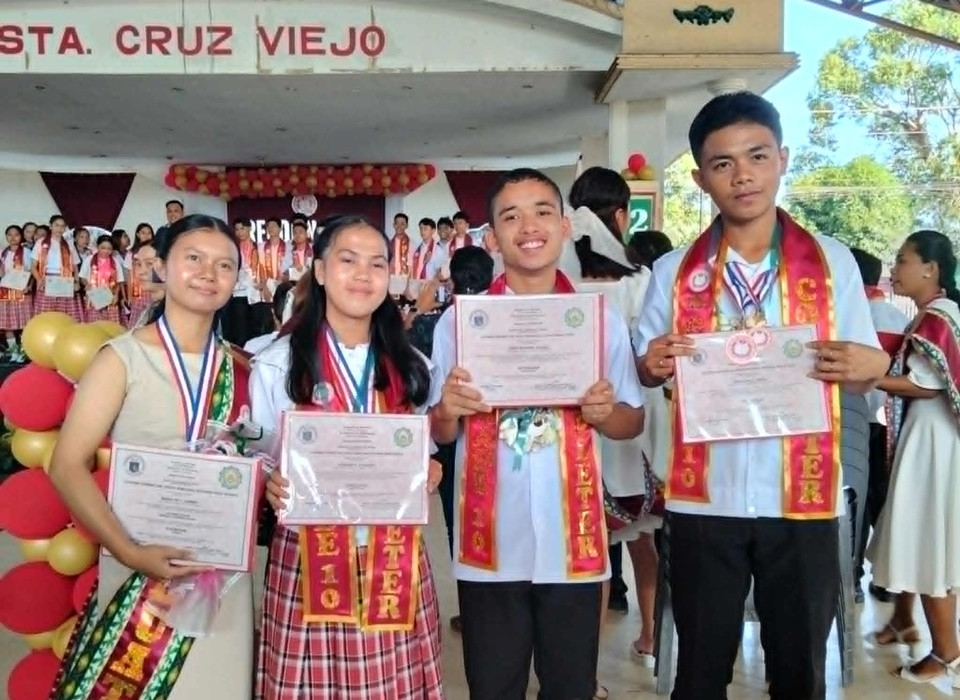
Our CEA children are now out of school and ready for summer!
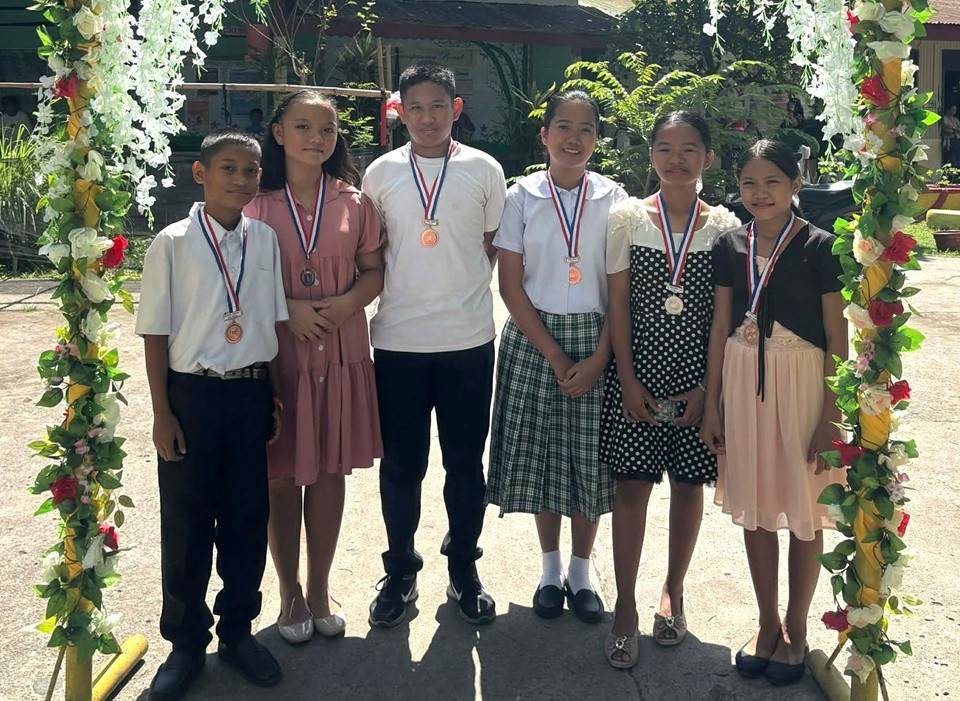
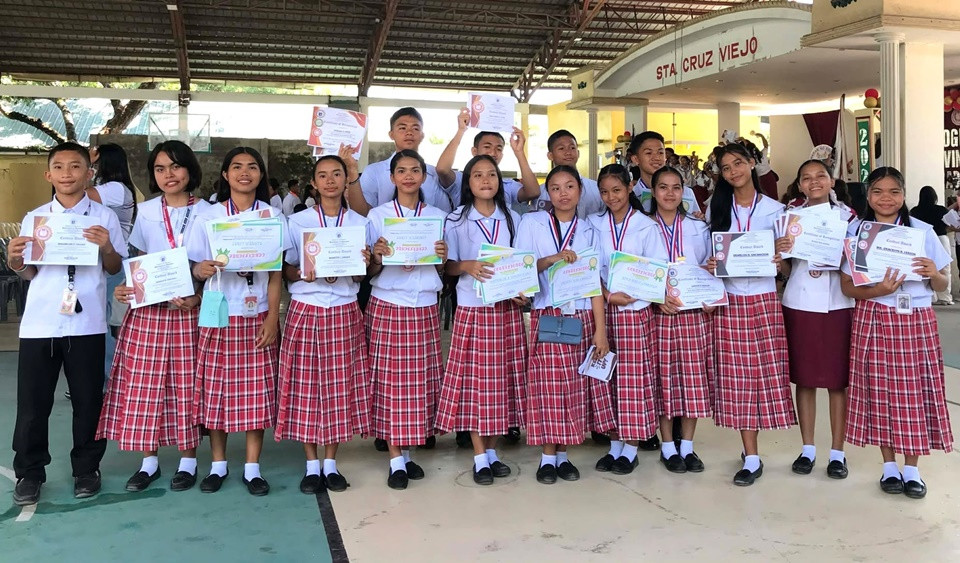
We are proud of all our children and especially those who finished the school year as honor students and or received recognition for their efforts.
Summer activities are already underway with all kinds of fun things planned.
We are also excited to welcome another group from Creekside church of Christ in Greenville, Tx. to conduct our annual VBS from May 27 to May 29.
The next school year (2026 – 2027) will begin mid-June.
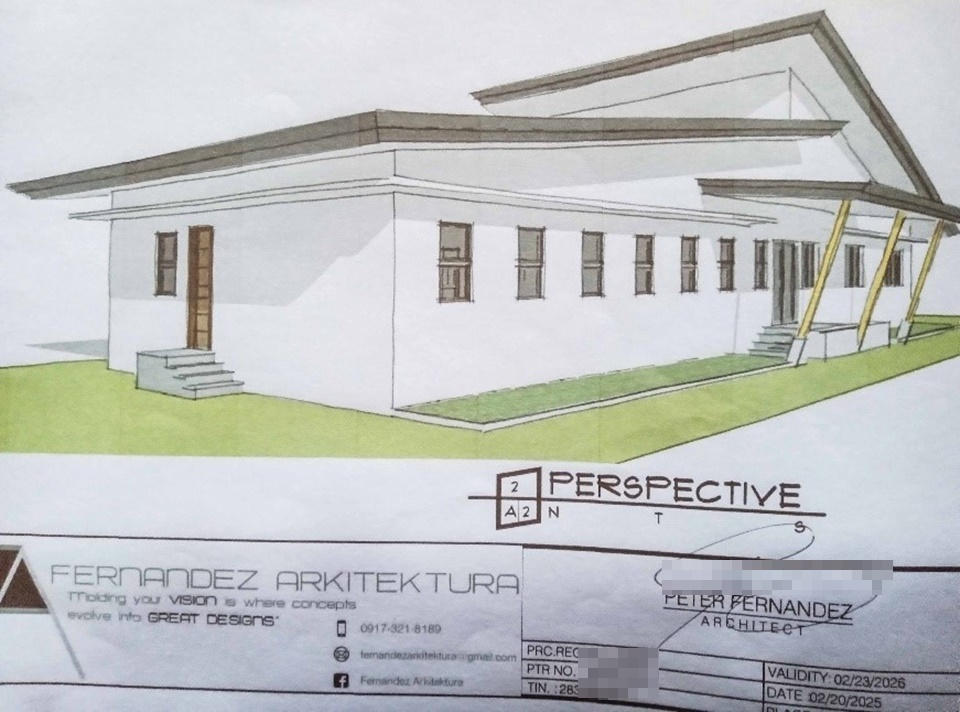
Construction Update
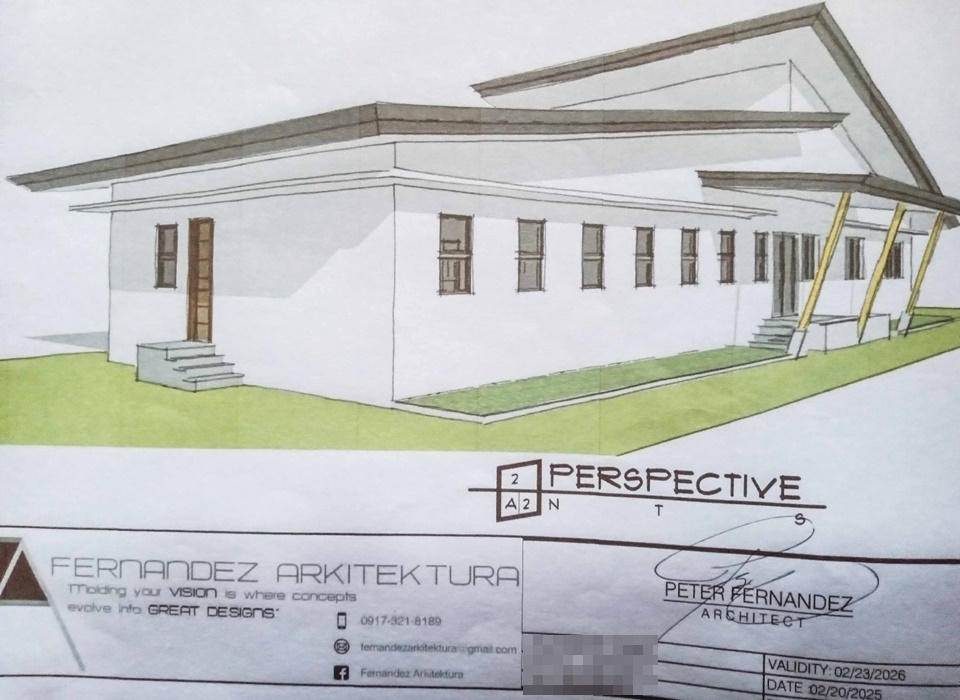
Work continues on our next major project: Older Boys Residence. Foundations are complete, steel for the columns are in place, steel for beams are being constructed, and form work for concrete underway.
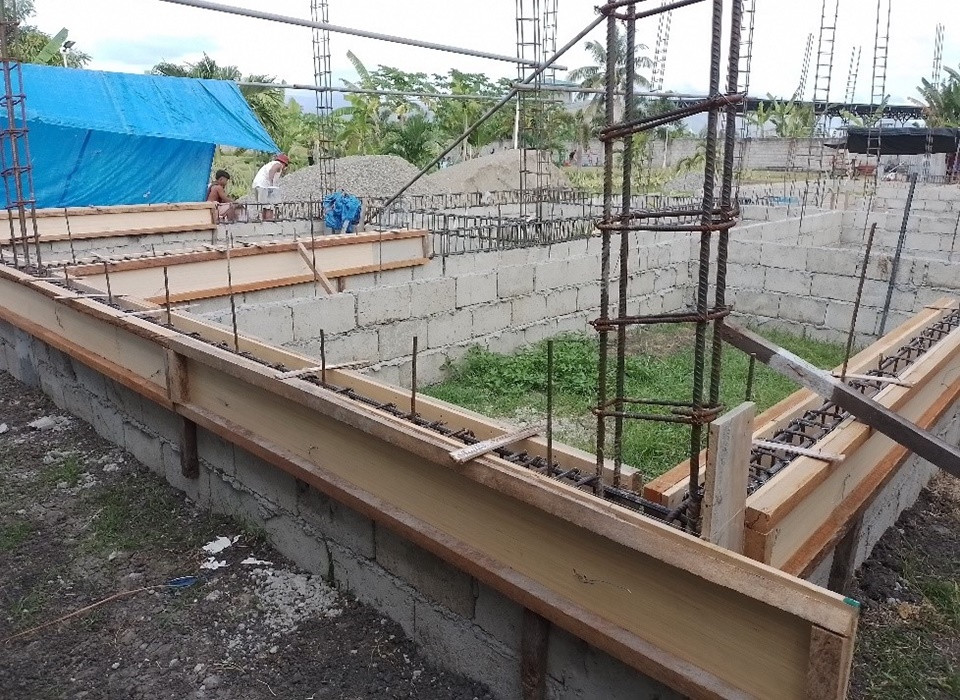
April/May are typically the hottest months in the Philippines, and this year is proving true to form with blistering hot temperatures and no cloud cover many days.
These conditions are difficult for even those used to it and in good health. We commend our construction workers for enduring and forging ahead with the work.
Built for Children, Tested by Everything Else
Running a childcare facility in the Philippines is meaningful work, but let’s be honest—it takes a lot of grit, creativity, persistence, and constant juggling. Behind every safe, happy learning space is a team dealing with challenges most people never see, and don’t know about.
Childcare centers have to follow DSWD standards, LGU rules, fire safety requirements, health regulations—you name it. The problem is, these systems don’t always match up. Every municipality has its own way of doing things, processing times are unpredictable, and even small centers end up carrying the same paperwork burden as big institutions. Regulations change often, and privately funded facilities are expected to adjust with no support for the added cost. Without a more consistent, well-supported national system, maintaining quality care becomes harder than it should be.
Caregivers are expected to be teachers, protectors, record keepers, and emotional support all at once. But the pay and professional development rarely reflect how heavy that responsibility is. Required trainings to meet qualifications are not easily accessed. Many centers pour time and money into training staff, only to lose them later for different reasons. It creates a cycle that drains both people and resources.
Modern school environments bring new influences that childcare centers now have to buffer against—kids picking up aggressive behavior from older peers, early exposure to inappropriate online content, and social habits shaped more by screens than real relationships. And when children come back to the facility carrying those behaviors, the center has to deal with the fallout.
Budgets get stretched trying to provide nutritious meals, safe materials, developmentally appropriate programs, and all the extra requirements that keep getting added.
Then there’s the reality of typhoons, flooding, and power interruptions. Centers have to maintain contingency plans, safe buildings, and emergency supplies just to keep children protected.
Despite all this, childcare centers play a huge role in shaping the emotional, social, and cognitive foundations of the next generation. They support families who are struggling, help stabilize communities, and protect children during their most important years. With stronger policies, better government support, and real partners, these facilities could do so much more than just survive—they could genuinely transform futures.
Romans 5:3-5
3And not only that, but we also glory in tribulations, knowing that tribulation produces perseverance; 4and perseverance, character; and character, hope. 5Now hope does not disappoint, because the love of God has been poured out in our hearts by the Holy Spirit who was given to us.
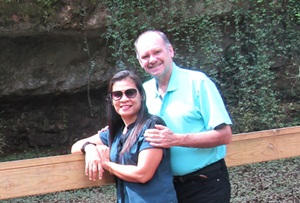
Ron & Gigi Brown
Casa Esperanza of Angels
PHILIPPINE MISSION INC.
Tanjay City, Philippines
April 2026 Newsletter
Volume 11 Issue 131